30.04.2026
Invisible Threat: How Waste Harms Us Every Day
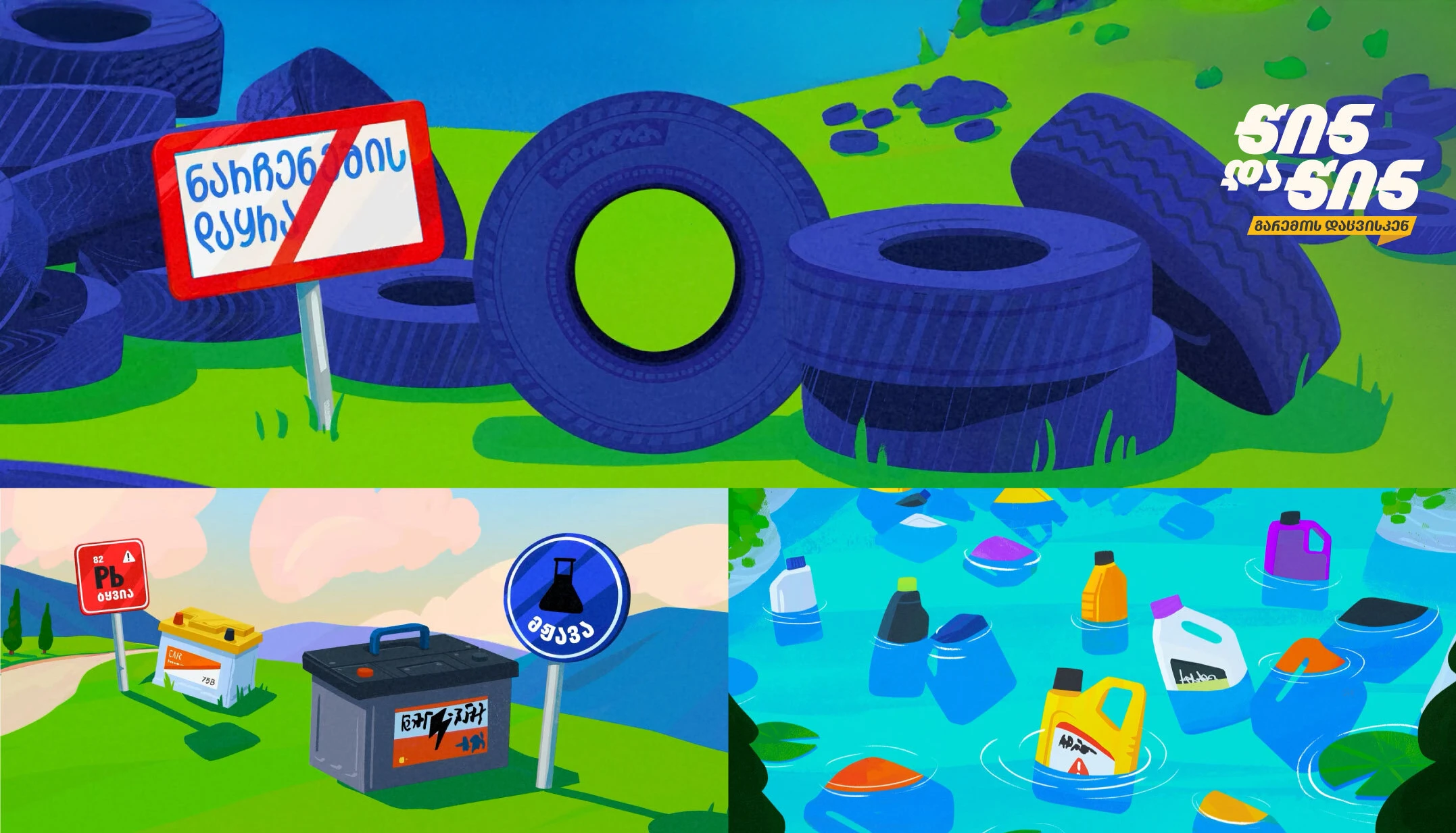
In modern life, waste has become an inseparable part of our daily routine. We often notice it only when bins overflow or garbage accumulates on the streets, yet the real danger goes much deeper. Poorly managed waste damages the environment, human health, and the economy every single day - often invisibly.
Particularly dangerous are specific types of waste such as used tyres, waste oils and batteries. When improperly disposed of, these materials contaminate soil and water, release toxic substances into the air, and damage ecosystems. For example, tyres stored in open areas pose a serious fire risk, while the smoke produced by burning tyres causes severe harm to human health.
The waste problem is not only an environmental issue - it directly affects our everyday lives. A polluted environment impacts air quality, drinking water, food safety, and ultimately public health. At the same time, untreated waste also means lost resources, as the modern circular economy approach is based on reusing waste and transforming it into valuable materials.
In many countries around the world, waste management is already considered part of economic development. Recycled materials are used across various industries, manufacturing processes, and infrastructure projects. This approach reduces the consumption of natural resources and decreases environmental pressure.
Awareness is also gradually growing in Georgia that waste can be transformed from a problem into a resource. This is the direction in which Tegeta Green Planet operates - an organization focused on collecting specific types of waste and raising environmental awareness. The company’s activities include the management and recycling of used tyres and car batteries, waste oils, and other specific waste streams, contributing to the development of a circular economy.
Tegeta Green Planet actively cooperates with both local and international partners to help establish a modern, sustainable, and European-standard waste management system in Georgia - a system where waste is no longer an invisible threat, but an opportunity to create new resources.