21.09.2026


Tegeta Green Planet’s Environmental Campaign Successfully Held in Zugdidi
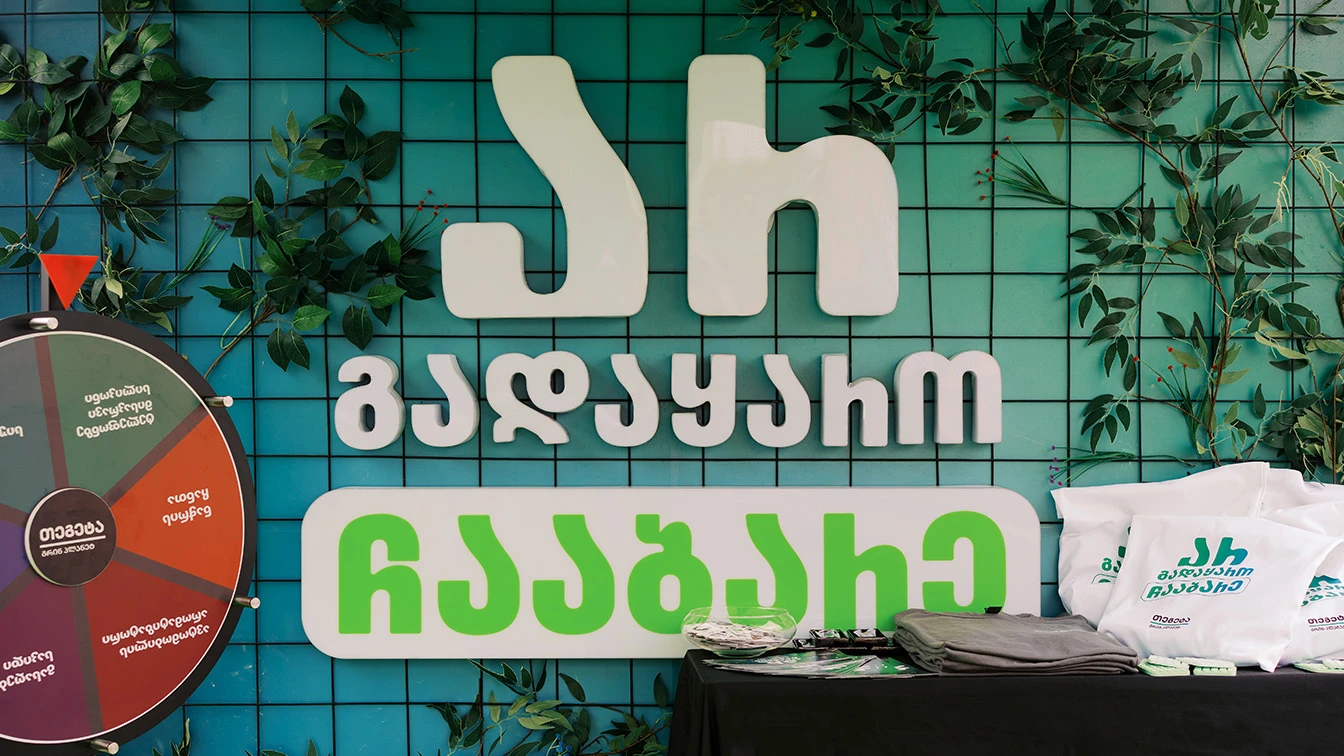
To raise environmental responsibility and promote the proper management of specific waste, Tegeta Green Planet held an informational and practical campaign, “Don’t Throw It Away, Hand It In,” in Zugdidi.
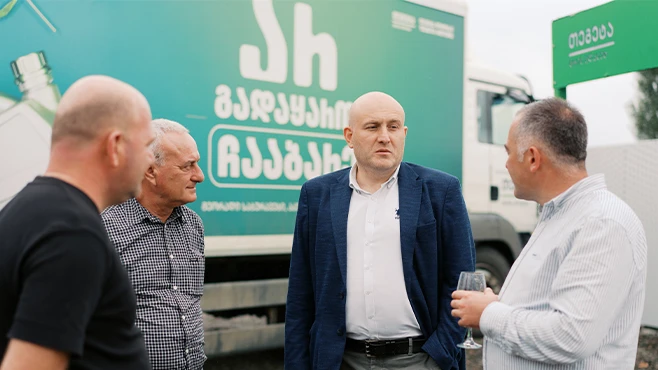
The campaign aimed to inform local residents, vehicle owners, drivers, and representatives of the private sector and increase their engagement. As part of the event, participants received information about the importance of safely and properly managing used automotive waste and the available options for handing it in.
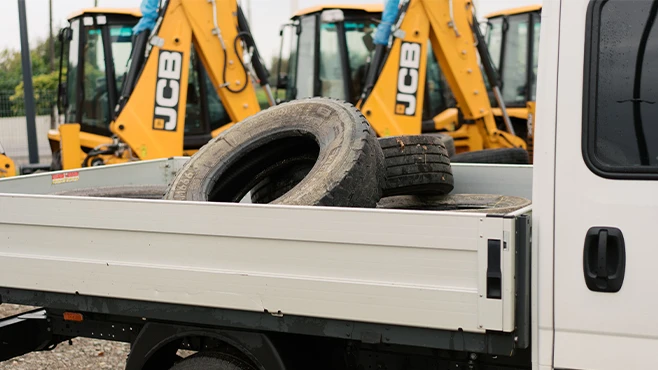
On September 15, a special collection point was set up in Zugdidi, where local residents had the opportunity to hand in end-of-life tires, used batteries, and waste oils.
One of the key focuses of the campaign was raising awareness about the principles of Extended Producer Responsibility (EPR). Participants learned what Extended Producer Responsibility is, what role an EPR organization plays in the management of specific waste, how collected waste is managed further, and why it is important for importers to fulfill their legal obligations and join an authorized EPR organization.
To encourage public participation in the waste collection process, participants of the campaign also received symbolic gifts. The event contributed to increasing Tegeta Green Planet’s visibility in the region and provided the organization with an opportunity to attract new importer members.
Tegeta Green Planet continues to actively implement regional campaigns and educational projects across Georgia. The organization aims to promote a culture of responsible waste management, strengthen relevant infrastructure, and support the adoption of circular economy principles.
Tegeta Green Planet has been operating since 2022. It is one of the first organizations in Georgia to receive authorization from the Ministry of Environmental Protection and Agriculture within the framework of Extended Producer Responsibility. This is particularly important as the EPR system is one of the key directions of modern environmental policy, ensuring the full management cycle of specific waste, including used tires, waste oils, and batteries — from collection, transportation, and recycling to further management in line with circular economy principles.